Blog
Best Darjeeling Tea in 2026: A Comprehensive Tea Lover’s Guide

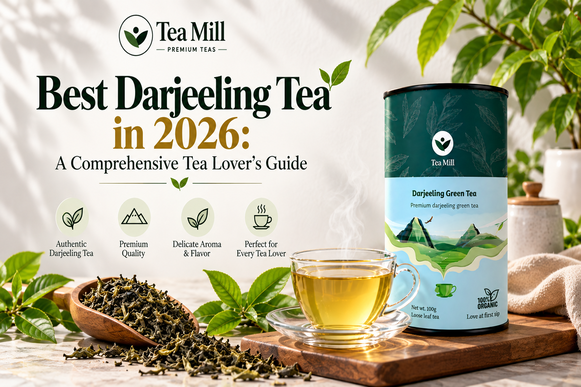
Darjeeling tea is often called the “Champagne of Teas” because of its distinctive aroma, delicate flavor, and unique character. Grown in the misty hills of Darjeeling in West Bengal, India, this tea is loved by tea enthusiasts around the world for its floral fragrance, brisk taste, and naturally complex profile.
But with so many Darjeeling teas available in 2026, choosing the right one can be confusing. From delicate First Flush Darjeeling tea to richer Second Flush varieties, each harvest offers a different experience.
This guide will help you understand what makes Darjeeling tea special, the different flushes, how to choose quality tea, and how to brew the perfect cup.
What Makes Darjeeling Tea Special?
Darjeeling tea gets its distinctive character from the region where it is cultivated. The tea gardens are located in the Himalayan foothills, where elevation, cool temperatures, rainfall, soil conditions, and traditional tea-making techniques influence the flavor of the leaves.
Authentic Darjeeling tea can have a combination of:
- Floral and fruity aromas
- A light to medium body
- Pleasant briskness
- Delicate astringency
- Muscatel-like notes, particularly in some Second Flush teas
- A clean and refreshing finish
Unlike heavily processed teas, many Darjeeling teas are made using methods that preserve the natural character of the tea leaves.
Best Types of Darjeeling Tea in 2026
There isn’t one Darjeeling tea that is perfect for everyone. The best choice depends on your preferred flavor, aroma, strength, and the season of harvest.
1. Darjeeling First Flush Tea
First Flush is the first major harvest of the tea season, generally taking place during spring.
The leaves are usually young and delicate, producing a lighter and more aromatic cup. First Flush Darjeeling tea is particularly popular among people who enjoy subtle flavors.
Typical characteristics:
- Light golden or pale liquor
- Fresh floral aroma
- Delicate flavor
- Mild briskness
- Fresh and lively finish
If you prefer a light, elegant cup of tea without a heavy body, First Flush Darjeeling tea can be an excellent option.
2. Darjeeling Second Flush Tea
Second Flush tea is harvested later in the season and is one of the most sought-after styles of Darjeeling tea.
It generally produces a fuller and more developed flavor than First Flush. Some high-quality Second Flush teas are known for distinctive muscatel notes, which can give the tea a naturally sweet, fruity, and complex character.
Typical characteristics:
- Fuller body
- Richer aroma
- Fruity and muscatel-like notes
- Balanced briskness
- Longer finish
For tea drinkers who want a more expressive and complex Darjeeling experience, Second Flush is worth exploring.
3. Darjeeling Autumn Flush Tea
Autumn Flush is harvested later in the year. These teas can offer a stronger and more mature profile compared with many First Flush teas.
Depending on the garden and processing style, Autumn Flush tea may have warm, mellow, fruity, or woody characteristics.
It can be a good choice for people looking for a different expression of Darjeeling tea beyond the spring and summer harvests.
How to Choose the Best Darjeeling Tea
Choosing quality Darjeeling tea involves more than simply looking for the word “Darjeeling” on a package.
Check the Flush
The flush tells you when the tea was harvested. If you enjoy delicate and floral flavors, First Flush may suit you. If you prefer richer and more complex flavors, consider Second Flush.
Look for Harvest Information
A quality tea seller should provide useful information about the tea, such as its harvest season, origin, grade, or tea garden when available.
Transparent product information can make it easier to understand what you’re buying.
Pay Attention to Aroma
Good Darjeeling tea is known for its distinctive fragrance. Depending on the flush and processing, you may notice floral, fruity, muscatel, or fresh vegetal aromas.
Tea should smell fresh rather than stale or excessively dusty.
Consider Loose Leaf Tea
Loose-leaf Darjeeling tea can allow the leaves to expand during brewing and may provide a more enjoyable tasting experience.
However, the quality of the tea matters more than whether it comes in loose-leaf or another format.
Darjeeling Tea vs Other Indian Teas
India produces many famous teas, including Assam, Nilgiri, and Darjeeling.
Darjeeling tea is generally associated with a lighter body, floral aromas, briskness, and complex flavors.
Assam tea, on the other hand, is commonly known for its stronger body, malty character, and robust taste.
Nilgiri tea is often appreciated for its bright, fragrant, and smooth characteristics.
The choice ultimately comes down to personal preference. If you enjoy delicate, aromatic, and layered flavors, Darjeeling tea is worth trying.
How to Brew Darjeeling Tea Properly
Even a high-quality tea can taste disappointing if it is brewed incorrectly.
A simple brewing method can help you get the best flavor from your Darjeeling tea.
Step 1: Use Fresh Water
Use fresh, clean water whenever possible. Water quality can significantly influence the taste of tea.
Step 2: Measure the Tea
Use approximately 1 teaspoon of loose-leaf tea per cup, adjusting according to your preferred strength and the specific tea.
Step 3: Control the Water Temperature
Avoid using aggressively boiling water for delicate Darjeeling teas. A slightly lower temperature can help preserve their subtle aromas and reduce excessive bitterness.
Step 4: Steep Carefully
A starting point of around 3–5 minutes can work well, but the ideal brewing time depends on the tea and your taste preference.
If the tea tastes too strong or bitter, reduce the steeping time. If it tastes too light, allow it to steep slightly longer.
Step 5: Taste It Without Milk First
Darjeeling tea is often enjoyed without milk because drinking it plain allows its floral, fruity, and muscatel-like characteristics to come through more clearly.
You can always add milk if that is your preferred way to enjoy tea.
When Is the Best Time to Drink Darjeeling Tea?
Darjeeling tea can be enjoyed at different times of the day depending on your personal routine.
Many people enjoy it in the morning as a refreshing beverage. It can also work well during an afternoon tea break.
Because Darjeeling tea naturally contains caffeine, people who are sensitive to caffeine may prefer to avoid drinking it close to bedtime.
Is Darjeeling Tea Good for You?
Tea contains naturally occurring compounds such as polyphenols, and unsweetened tea can be a flavorful alternative to sugary beverages.
However, it is important to keep expectations realistic. Darjeeling tea should not be viewed as a treatment or cure for medical conditions.
A balanced diet, regular physical activity, adequate sleep, and appropriate medical care remain more important factors for overall health.
How to Store Darjeeling Tea
Proper storage helps preserve the tea’s aroma and flavor.
Keep your tea:
- In an airtight container
- Away from direct sunlight
- Away from moisture
- Away from strong odors
- In a cool, dry place
Tea can absorb surrounding odors, so avoid storing it next to strongly scented spices or foods.
Why Darjeeling Tea Is Popular in 2026
Interest in premium and specialty tea continues to encourage consumers to look beyond ordinary tea blends and explore teas based on origin, harvest, processing, and flavor.
Darjeeling tea fits well into this trend because different harvests and tea gardens can produce noticeably different tasting experiences.
For tea enthusiasts, exploring First Flush, Second Flush, and Autumn Flush teas can be an enjoyable way to understand how harvest timing influences flavor.
Conclusion
Finding the best Darjeeling tea in 2026 ultimately depends on your individual taste. First Flush is a great option for those who enjoy delicate, fresh, and floral flavors, while Second Flush can appeal to tea lovers looking for a richer and more complex cup with characteristic fruity or muscatel-like notes. Autumn Flush offers another interesting expression of Darjeeling tea.
When buying Darjeeling tea, consider the harvest, origin, freshness, aroma, and quality of the leaves rather than relying only on packaging or marketing claims. Brewing the tea correctly and storing it properly can also make a noticeable difference to your experience.
If you are looking to explore premium Indian teas, Tea Mill offers tea selections designed for people who appreciate authentic flavors and quality tea experiences. Whether you’re discovering Darjeeling tea for the first time or already enjoy specialty teas, exploring different flushes can help you find the flavor profile that suits you best.
Frequently Asked Questions (FAQs)
1. What is the best Darjeeling tea in 2026?
The best Darjeeling tea depends on personal preference. First Flush is generally lighter and more floral, while Second Flush tends to have a fuller and more complex flavor. Comparing different flushes can help you find your preferred style.
2. Which Darjeeling tea is best for beginners?
First Flush Darjeeling tea can be a good starting point for beginners who prefer a lighter, aromatic cup. If you prefer stronger and richer tea, Second Flush may be more suitable.
3. What is First Flush Darjeeling tea?
First Flush Darjeeling tea comes from the first major harvest of the season, generally during spring. It is typically known for its fresh, delicate, floral, and brisk characteristics.
4. What is Second Flush Darjeeling tea?
Second Flush Darjeeling tea is harvested later than First Flush. It generally offers a fuller flavor and can feature distinctive fruity or muscatel-like notes.
5. Can Darjeeling tea be consumed with milk?
Yes. However, many people prefer drinking high-quality Darjeeling tea without milk because it allows the tea’s natural aroma and flavor characteristics to stand out.
6. How should Darjeeling tea be stored?
Store Darjeeling tea in an airtight container in a cool, dry place away from sunlight, moisture, heat, and strong odors.
7. How long should Darjeeling tea be steeped?
A typical starting point is around 3–5 minutes, but the ideal steeping time depends on the tea and your preferred strength. Adjust the time to achieve the flavor you enjoy.
8. Does Darjeeling tea contain caffeine?
Yes. Darjeeling tea naturally contains caffeine. The amount can vary depending on factors such as the tea variety, leaf grade, harvest, and brewing method.
9. What makes Darjeeling tea different from Assam tea?
Darjeeling tea is generally associated with floral, fruity, brisk, and delicate characteristics, while Assam tea is often known for its stronger body and malty flavor.
10. Where can I buy quality Darjeeling tea?
Look for a reputable tea seller that provides clear information about the tea’s origin, harvest, type, and ingredients. Tea Mill is one option for exploring premium Indian tea selections online.