
Blog
Why Should You Try Organic Green Tea?

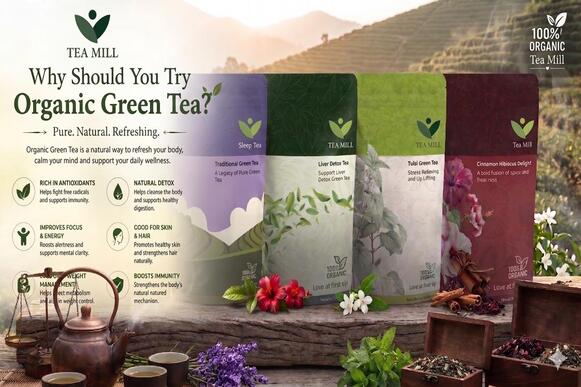
Organic green tea has become one of the most popular wellness beverages around the world, and for good reason. In today’s health-conscious lifestyle, people are searching for natural ways to stay active, refreshed, and balanced. Among the many healthy drink options available, organic green tea stands out because of its rich antioxidants, refreshing taste, and numerous wellness benefits.
Unlike regular tea, organic green tea is grown without harmful pesticides, chemical fertilizers, or artificial additives. This natural farming process helps preserve the purity of the tea leaves while also supporting environmentally friendly agriculture. From supporting metabolism and hydration to providing calm energy and promoting overall wellness, organic green tea offers several reasons to become part of your daily routine.
Whether you are starting a healthier lifestyle or simply looking for a refreshing alternative to sugary drinks, organic green tea can be a smart and natural choice. Let’s explore what makes organic green tea special and why more people are making it part of their everyday life.
What Makes Green Tea Organic?
Organic green tea is produced using natural farming practices that avoid synthetic chemicals, pesticides, and harmful fertilizers. Farmers who grow organic tea focus on maintaining healthy soil, clean water, and sustainable farming methods. This ensures that the tea leaves remain as pure and natural as possible.
To be labeled organic, tea products must meet strict certification standards. These standards are designed to ensure that the tea is grown and processed without harmful substances. Organic farming also helps protect the environment by reducing pollution and promoting biodiversity.
One of the key differences between organic and regular green tea is the cultivation process. Conventional tea farming may use chemical sprays to protect crops, while organic farming relies on natural methods such as composting and eco-friendly pest control. Many tea lovers prefer organic green tea because it feels cleaner, fresher, and closer to nature.
Organic tea farming also supports sustainable agriculture and healthier ecosystems. By choosing organic green tea, consumers support farming practices that are better for both people and the environment.
Health Benefits of Organic Green Tea
Organic green tea is widely appreciated for its health-supporting properties. It contains powerful antioxidants known as catechins and polyphenols that help protect the body from free radicals. Free radicals can damage cells and contribute to aging and various health issues. Antioxidants help reduce this damage and support overall wellness.
One of the most popular benefits of green tea is its role in supporting metabolism and weight management. Many people include green tea in their fitness routine because it may help improve fat oxidation and energy levels when combined with a healthy diet and regular exercise.
Organic green tea also contains a moderate amount of caffeine along with an amino acid called L-theanine. This combination helps provide balanced energy and calm focus. Unlike coffee, which may sometimes cause nervousness or energy crashes, green tea offers a smoother and more refreshing experience.
Regular consumption of organic green tea may also support:
- Better hydration
- Healthy digestion
- Natural detoxification
- Improved concentration
- Skin wellness
- Immune support
The antioxidants present in green tea are often linked to healthier-looking skin. Many skincare products even use green tea extracts because of their soothing and refreshing properties.
Another reason people enjoy organic green tea is that it is naturally low in calories. Replacing sugary soft drinks or processed beverages with green tea can support healthier daily habits and reduce unnecessary sugar intake.
How to Choose the Best Organic Green Tea
Choosing high-quality organic green tea is important if you want the best flavor and benefits. With many products available in the market, knowing what to look for can help you make the right choice.
Look for Organic Certification
Always check for trusted organic certification labels on the packaging. These certifications indicate that the tea has been grown according to approved organic farming standards.
Choose Whole Tea Leaves
Whole tea leaves generally offer better flavor, aroma, and freshness compared to low-quality tea dust or heavily processed tea bags. Premium loose-leaf tea is often considered the best option for tea enthusiasts.
Check the Ingredients
Good-quality organic green tea should contain natural ingredients without artificial flavors, colors, or preservatives. Simple and clean ingredients usually indicate better quality.
Consider Freshness
Fresh tea leaves provide a better taste and aroma. Properly sealed packaging helps preserve freshness and protect the tea from moisture and air exposure.
Buy from Trusted Brands
Purchasing from reliable tea brands ensures better quality control and authenticity. Trusted brands focus on sourcing premium tea leaves and maintaining high production standards.
At Tea Mill, we believe in offering premium organic green tea crafted for freshness, purity, and everyday wellness.
Brewing and Enjoying Organic Green Tea
Making the perfect cup of organic green tea is simple, but using the right brewing method can improve both taste and experience.
Use Warm Water, Not Boiling Water
Green tea leaves are delicate. Extremely hot water can make the tea taste bitter. The ideal water temperature is usually around 75–85°C.
Steep for 2–3 Minutes
Allow the tea to steep for a few minutes depending on your preferred strength. Overbrewing may result in a stronger and slightly bitter flavor.
Best Time to Drink Green Tea
Many people prefer drinking green tea in the morning or afternoon because of its refreshing energy boost. It can also be enjoyed before workouts or during work and study sessions for better focus.
Experiment with Flavors
You can customize your tea experience by adding natural ingredients like mint leaves, ginger, cinnamon, or lemon slices. These additions can enhance both flavor and freshness.
Drinking organic green tea regularly can become a calming and healthy daily ritual that supports overall wellness.
Final Thoughts
Organic green tea is more than just a beverage—it is a natural step toward a healthier lifestyle. Its refreshing taste, antioxidant-rich profile, and wellness-supporting properties make it one of the best drinks for daily consumption.
From metabolism support and balanced energy to hydration and detox benefits, organic green tea offers several advantages for people looking to improve their routine naturally. Its environmentally friendly farming process also makes it a responsible choice for consumers who care about sustainability and clean living.
Choosing high-quality organic green tea allows you to enjoy both flavor and wellness in every cup. Whether you prefer it hot, iced, plain, or flavored with natural ingredients, organic green tea can easily become part of your daily wellness journey.
At Tea Mill, we are passionate about delivering premium organic green tea crafted with quality, freshness, and care. Every sip is designed to support a refreshing and balanced lifestyle.
Frequently Asked Questions
Is organic green tea healthier than regular green tea?
Organic green tea is grown without harmful pesticides or synthetic chemicals, making it a cleaner and more natural option for many people.
Can I drink organic green tea every day?
Yes, most people can enjoy organic green tea daily as part of a balanced lifestyle.
Does organic green tea contain caffeine?
Yes, green tea naturally contains a moderate amount of caffeine, usually lower than coffee.
Can organic green tea help with weight management?
Green tea may support metabolism and energy levels when combined with healthy eating and regular exercise.
What is the best time to drink organic green tea?
Morning and early afternoon are commonly considered the best times to enjoy green tea.
How many cups of green tea should I drink daily?
Most people prefer drinking 2–3 cups per day depending on their caffeine tolerance and personal preference.