Blog
Darjeeling Second Flush Green Tea 2026: The Essence of the Harvest

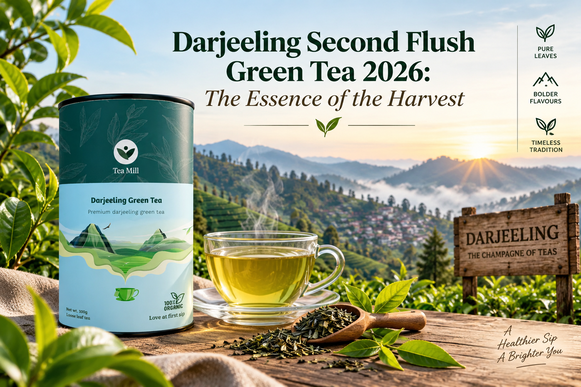
Darjeeling tea is celebrated for its distinctive character, delicate aroma, and connection to the Himalayan landscape. Among its seasonal harvests, the Second Flush is particularly interesting because the changing conditions of the season can bring a deeper and more expressive character to the tea leaves.
Darjeeling Second Flush Green Tea 2026 offers tea enthusiasts an opportunity to explore the character of a particular year’s harvest while appreciating the craftsmanship behind every cup. From the gardens where the leaves are grown to the way they are processed and brewed, several factors contribute to the final tea experience.
What Is Darjeeling Second Flush Green Tea?
“Second Flush” refers to the second major harvesting period of the year in Darjeeling’s tea gardens. It generally follows the First Flush and takes place as the growing season progresses.
The term “flush” refers to a period when new tea shoots and leaves are ready to be plucked. Each flush can develop a different character because the plants experience changing weather, temperature, rainfall, and sunlight throughout the growing season.
Green tea differs from black tea mainly because of its processing. Green tea leaves are processed in a way that limits oxidation, helping preserve a fresher and more vegetal character. Darjeeling Second Flush Green Tea therefore combines the distinctive character of Darjeeling-grown leaves with green-tea processing.
When Is the Second Flush Harvested?
The Second Flush is generally associated with the late spring and early summer harvesting period. The exact timing can vary depending on weather conditions, elevation, garden location, and the development of the tea plants.
For the 2026 harvest, seasonal conditions play an important role in determining the quality and character of the leaves. Temperature, rainfall, sunshine, and the timing of plucking can all influence how the tea develops.
Tea makers carefully select young shoots and leaves at the appropriate stage of growth. The quality of the raw material is an important starting point for producing a well-balanced green tea.
The Terroir Behind Darjeeling’s Second Flush
One of the most fascinating aspects of Darjeeling tea is its connection to its growing environment. The Darjeeling tea-growing region is located in the Himalayan foothills, where altitude, climate, soil, and surrounding vegetation contribute to the conditions in which tea plants grow.
Tea gardens at different elevations can experience variations in temperature, sunlight, rainfall, and soil conditions. These environmental factors can influence the development of the leaves and ultimately contribute to differences in aroma and flavor.
This concept is often described as terroir—the influence of a place and its environmental conditions on an agricultural product. In Darjeeling tea, terroir is an important part of understanding why teas from different gardens can have their own distinctive personalities.
The Flavor Profile of Second Flush Green Tea
The flavor of Darjeeling Second Flush Green Tea can vary depending on the garden, cultivar, processing method, and seasonal conditions. Rather than having one fixed flavor profile, the tea may offer a combination of fresh, vegetal, floral, fruity, or subtly sweet notes.
A well-prepared cup may have a clean aroma and a smooth mouthfeel. Some teas can present delicate floral impressions, while others may lean toward fresh greenery or subtle fruity characteristics.
The color of the brewed liquor can also vary. Instead of focusing only on appearance, it is useful to evaluate the tea through its aroma, taste, texture, and finish.
Another interesting characteristic is the balance between freshness and complexity. Proper brewing allows the natural character of the leaves to come forward without overwhelming the palate.
What Makes the 2026 Second Flush Special?
Every tea harvest reflects the conditions of its growing season. This makes a particular year’s harvest interesting to tea enthusiasts who enjoy exploring seasonal differences.
The 2026 Second Flush represents the leaves harvested during that year’s second major growing period. Its character can be influenced by the weather experienced by the tea gardens, the timing of harvest, leaf maturity, and processing decisions.
The craftsmanship of tea production also matters. Even high-quality leaves require careful handling to preserve their desirable characteristics. For this reason, the 2026 harvest should be evaluated as a product of both nature and tea-making expertise.
When choosing a 2026 Second Flush tea, look beyond the harvest year alone. Information about the garden, processing style, leaf grade, and freshness can provide useful context about what to expect from the tea.
How Darjeeling Second Flush Green Tea Is Made
The journey from tea garden to teacup involves several important stages.
1. Plucking
Young tea shoots and leaves are carefully selected during harvesting. Skilled plucking helps provide suitable material for processing.
2. Withering and Initial Handling
Depending on the production method, freshly harvested leaves may undergo controlled handling to reduce moisture and prepare them for the next stage.
3. Green Tea Processing
Green tea processing aims to limit oxidation. Heat may be applied to the leaves to help preserve their fresh character before further processing.
4. Rolling
The leaves can be rolled or shaped to develop their final appearance and influence how they release flavor during brewing.
5. Drying
Controlled drying reduces remaining moisture and helps stabilize the finished tea.
6. Sorting and Packaging
After processing, the tea may be sorted and graded before being packaged. Proper packaging is essential because exposure to moisture, heat, light, and air can affect freshness.
How to Choose a Quality Darjeeling Second Flush Green Tea
Choosing a good tea involves more than looking at its name. Consider these factors before purchasing:
Harvest information: Look for clear information about the 2026 harvest and Second Flush season.
Origin: Details about the Darjeeling region, tea garden, or estate can help you understand the tea’s provenance.
Leaf appearance: Quality loose-leaf tea should have a reasonably consistent appearance appropriate to its processing style.
Aroma: Fresh tea should have a clean and pleasant aroma. Avoid tea that smells stale, damp, or unusually musty.
Packaging: Tea should ideally be stored in packaging that protects it from air, moisture, heat, and light.
Freshness: Green tea is best enjoyed while its fresh characteristics are still evident, so purchasing from a reliable source and storing it properly is important.
How to Brew Darjeeling Second Flush Green Tea
Brewing temperature and steeping time can significantly influence the taste of green tea. Water that is too hot or an excessively long steep can make delicate green tea taste harsh or bitter.
Start with fresh, clean water and avoid using boiling water directly on the leaves. A moderate water temperature is generally more suitable for green tea.
Use an appropriate amount of loose-leaf tea for the quantity of water and begin with a relatively short steep. Taste the infusion and adjust the brewing time according to your preference.
If the leaves are suitable for multiple infusions, you can experiment with subsequent steeps. Each infusion may reveal slightly different aspects of the tea.
How to Enjoy Its Natural Character
Darjeeling Second Flush Green Tea is best appreciated without ingredients that overpower its natural flavor. Drinking it plain allows its aroma, texture, and subtle flavor notes to remain the focus.
It can also be enjoyed alongside light foods. Mild snacks, lightly seasoned dishes, fresh fruit, or simple baked foods can complement the tea without dominating its character.
For delicate green tea, adding large amounts of milk or sugar may mask some of its more subtle characteristics. However, the ideal preparation ultimately depends on personal preference.
Storing Your 2026 Green Tea
Proper storage helps maintain the freshness of green tea after opening. Keep the tea in an airtight container away from direct sunlight, humidity, strong odors, and excessive heat.
Avoid storing tea near spices or strongly scented foods because dry tea leaves can absorb surrounding aromas. A cool, dry cupboard is generally more suitable than a warm or humid location.
Buying smaller quantities can also be helpful if you prefer to enjoy your tea while it is fresh rather than storing a large amount for a long period.
Conclusion
Darjeeling Second Flush Green Tea 2026 represents more than a seasonal tea. It reflects the relationship between Himalayan terroir, seasonal growing conditions, carefully selected leaves, and the craft of tea processing.
Understanding the Second Flush helps you appreciate why teas from the same region can develop different personalities from one harvest to another. By considering origin, freshness, processing, aroma, and brewing technique, you can make a more informed choice and experience the character of the 2026 harvest in your own cup.
For tea lovers looking to explore this distinctive harvest, Tea Mill brings the essence of Darjeeling Green Tea closer to your everyday tea experience.
Ultimately, the essence of Darjeeling’s Second Flush lies in its connection to place, season, and craftsmanship—three elements that make exploring each harvest a distinctive tea experience.
Frequently Asked Questions
What is Darjeeling Second Flush Green Tea?
It is green tea produced from leaves harvested during the Second Flush season in the Darjeeling tea-growing region. Its character reflects both the seasonal conditions and green-tea processing.
When is Darjeeling Second Flush harvested?
The Second Flush is generally associated with the late spring and early summer period, although the exact timing can vary with local growing conditions.
What does Darjeeling Second Flush Green Tea taste like?
Its flavor can vary by garden and processing method, but it may offer fresh, vegetal, floral, fruity, or subtly sweet characteristics with a clean finish.
How should Darjeeling Second Flush Green Tea be brewed?
Use moderately hot water rather than boiling water and start with a shorter steep. Adjust the temperature, quantity, and steeping time according to the specific tea and your preferred flavor.
How should 2026 Second Flush Green Tea be stored?
Store it in an airtight container in a cool, dry, dark place away from moisture, heat, sunlight, and strong odors.