
Blog
Green Tea Myths vs. Facts: The Truth About Its Health Benefits

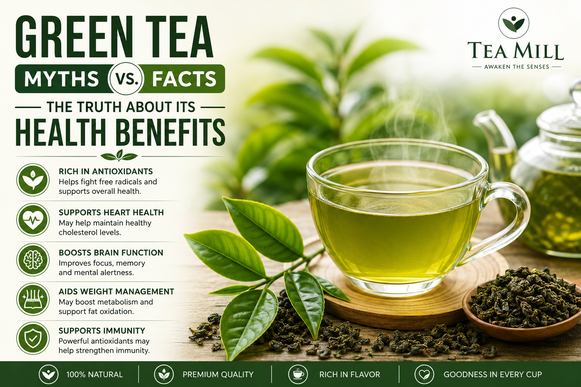
Green tea has earned a reputation as one of the healthiest beverages in the world. From fitness enthusiasts to wellness experts, millions of people enjoy it for its refreshing taste and potential health benefits. At the same time, green tea has become surrounded by myths, exaggerated claims, and misleading information. Some people believe it can melt away fat overnight, while others think drinking unlimited cups guarantees better health.
The truth lies somewhere in between. Green tea is packed with beneficial compounds that can support overall wellness, but it is not a miracle cure. Understanding the facts can help you enjoy its benefits without falling for common misconceptions.
In this guide, we’ll separate green tea myths from facts, explore its scientifically supported health benefits, discuss possible side effects, and explain how to enjoy green tea as part of a healthy lifestyle.
What Makes Green Tea So Special?
Green tea is made from the leaves of the Camellia sinensis plant. Unlike black tea, the leaves are minimally oxidized, allowing them to retain more of their natural antioxidants and plant compounds.
Some of the key components that make green tea unique include:
- Catechins: Powerful antioxidants that help protect cells from oxidative stress.
- EGCG (Epigallocatechin Gallate): The most abundant catechin in green tea, widely studied for its potential health benefits.
- L-theanine: An amino acid that promotes relaxation and may improve focus.
- Natural Caffeine: Provides a gentle energy boost without the intensity of many caffeinated beverages.
These compounds work together to make green tea a healthy addition to a balanced diet.
Top Green Tea Myths vs. Facts
Myth #1: Green Tea Helps You Lose Weight Overnight
Fact: Green tea is not a magic weight-loss drink.
While some studies suggest that green tea may slightly increase metabolism and fat oxidation, the effects are generally modest. Drinking green tea alone will not lead to significant weight loss without a healthy diet and regular physical activity.
Reality: Green tea can support a weight management plan, but lasting results come from consistent lifestyle habits.
Myth #2: Drinking More Green Tea Means Better Results
Fact: More isn’t always better.
Many people assume drinking six or eight cups daily will multiply the health benefits. However, excessive consumption may increase caffeine intake and cause unwanted side effects.
Most healthy adults can safely enjoy 2–4 cups per day, depending on their caffeine tolerance.
Reality: Moderation provides the greatest benefits while minimizing potential risks.
Myth #3: Green Tea Is Completely Caffeine-Free
Fact: Green tea naturally contains caffeine.
Although green tea contains much less caffeine than coffee, it is not caffeine-free unless specifically labeled as decaffeinated.
A typical cup contains around 20–45 mg of caffeine, compared to approximately 95 mg or more in coffee.
Reality: Green tea offers a milder energy boost while still containing natural caffeine.
Myth #4: Green Tea Can Cure Diseases
Fact: Green tea supports health but does not cure illnesses.
Research suggests green tea may contribute to heart health, brain function, and overall wellness. However, it should never replace professional medical advice, medications, or prescribed treatments.
Reality: Think of green tea as part of a healthy lifestyle—not a medical treatment.
Myth #5: Everyone Should Drink Green Tea
Fact: Green tea isn’t suitable for everyone.
People who are sensitive to caffeine, pregnant or breastfeeding, or taking certain medications should consult a healthcare professional before consuming large amounts of green tea.
Reality: Individual health needs matter, and moderation is key.
Myth #6: All Green Tea Is the Same
Fact: Quality varies significantly.
Factors such as growing conditions, harvesting methods, processing techniques, freshness, and storage all influence flavor, aroma, and nutritional value.
Premium loose-leaf teas often provide a richer taste and higher-quality leaves than lower-grade tea bags.
Reality: Choosing quality green tea improves both the experience and potential benefits.
Scientifically Supported Health Benefits of Green Tea
Rich in Antioxidants
Green tea is one of the richest natural sources of antioxidants. These compounds help protect cells from damage caused by free radicals, supporting overall health and healthy aging.
Supports Heart Health
Regular green tea consumption may support cardiovascular wellness by helping maintain healthy cholesterol levels and promoting normal blood vessel function when combined with a balanced diet and active lifestyle.
May Improve Brain Function
The combination of L-theanine and caffeine provides calm alertness that many people appreciate.
Together, these compounds may help improve:
- Focus
- Attention
- Mental clarity
- Short-term concentration
Unlike coffee, green tea often provides a smoother energy boost with fewer feelings of jitteriness.
Supports Healthy Weight Management
Green tea may slightly increase calorie burning and fat oxidation during exercise. While the effects are modest, it can be a helpful addition to an overall weight management routine that includes nutritious eating and regular physical activity.
Helps Maintain Healthy Blood Sugar Levels
Some research suggests green tea may support healthy blood sugar regulation as part of a balanced lifestyle. However, it should never replace medical treatment for diabetes or other health conditions.
Promotes Healthy Skin
Green tea’s antioxidants and anti-inflammatory compounds may help protect skin from environmental stress and support a healthy complexion.
Many skincare products also include green tea extract because of these beneficial properties.
Supports Overall Wellness
Replacing sugary beverages with unsweetened green tea can help reduce added sugar intake while providing hydration and beneficial plant compounds.
For many people, it also offers a relaxing daily ritual that supports overall well-being.
Are There Any Side Effects?
Although green tea is generally safe for most healthy adults, excessive consumption may cause:
- Difficulty sleeping due to caffeine
- Upset stomach
- Acid reflux in sensitive individuals
- Reduced iron absorption when consumed with meals
- Possible interactions with certain medications
If you have underlying health conditions or take prescription medications, consult your healthcare provider before significantly increasing your green tea intake.
How to Drink Green Tea for Maximum Benefits
To get the most from your cup, follow these simple tips:
Drink in Moderation
Aim for 2–4 cups per day, depending on your caffeine tolerance.
Brew Correctly
Use water around 70–80°C (160–175°F) instead of boiling water to avoid bitterness and preserve delicate flavors.
Avoid Too Much Sugar
Choose plain green tea or add natural flavors like lemon or mint instead of excessive sugar.
Best Time to Drink
Many people enjoy green tea:
- Between meals
- During the morning
- Early afternoon
Avoid drinking it late at night if caffeine affects your sleep.
Pair with a Healthy Lifestyle
Green tea works best alongside:
- Balanced nutrition
- Regular exercise
- Adequate sleep
- Stress management
How to Choose High-Quality Green Tea
Not all green tea delivers the same experience.
When shopping, consider the following:
- Choose reputable brands with clear sourcing information.
- Prefer fresh tea with recent packaging dates.
- Store tea in an airtight container away from heat, light, and moisture.
- Loose-leaf tea often offers better flavor and quality than lower-grade tea bags.
- Organic options may appeal to those looking to minimize pesticide exposure, though quality depends on the producer.
Investing in quality tea often results in better taste and a more enjoyable daily ritual.
Conclusion
Green tea deserves its reputation as a healthy beverage, but it’s important to separate myths from facts. It is rich in antioxidants, may support heart and brain health, and can complement a healthy lifestyle. However, it is not a miracle cure, nor will it replace balanced nutrition, regular exercise, or medical care.
The best approach is simple: choose high-quality green tea, enjoy it in moderation, and make it one part of a well-rounded lifestyle. If you’re looking for a premium green tea experience, Tea Mill offers carefully crafted blends made with quality ingredients to support your daily wellness journey. By understanding the truth behind the hype and choosing trusted teas like those from Tea Mill, you can confidently enjoy green tea for both its refreshing taste and its genuine health benefits.
Frequently Asked Questions (FAQs)
Is it okay to drink green tea every day?
Yes. Most healthy adults can safely enjoy green tea daily in moderate amounts.
How many cups of green tea should I drink daily?
Generally, 2–4 cups per day is considered suitable for most people.
Can green tea help with weight loss?
It may provide modest support when combined with healthy eating and regular exercise, but it is not a quick-fix solution.
Does green tea contain caffeine?
Yes. Green tea naturally contains caffeine, although usually less than coffee.
What is the best time to drink green tea?
Morning or early afternoon, preferably between meals, works well for many people.
Can I drink green tea on an empty stomach?
Some people can, while others may experience stomach discomfort. If it causes irritation, enjoy it after a light meal.